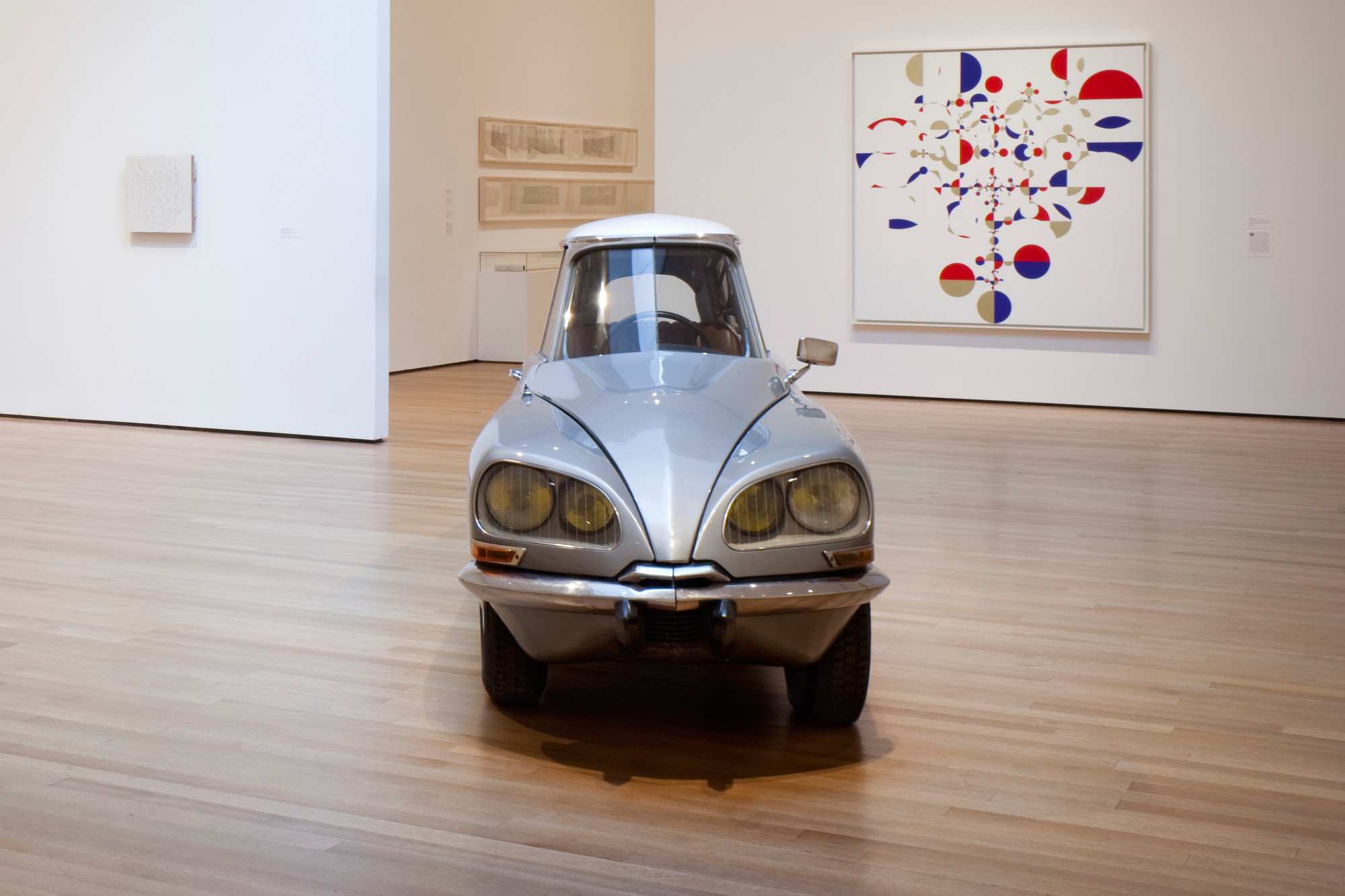
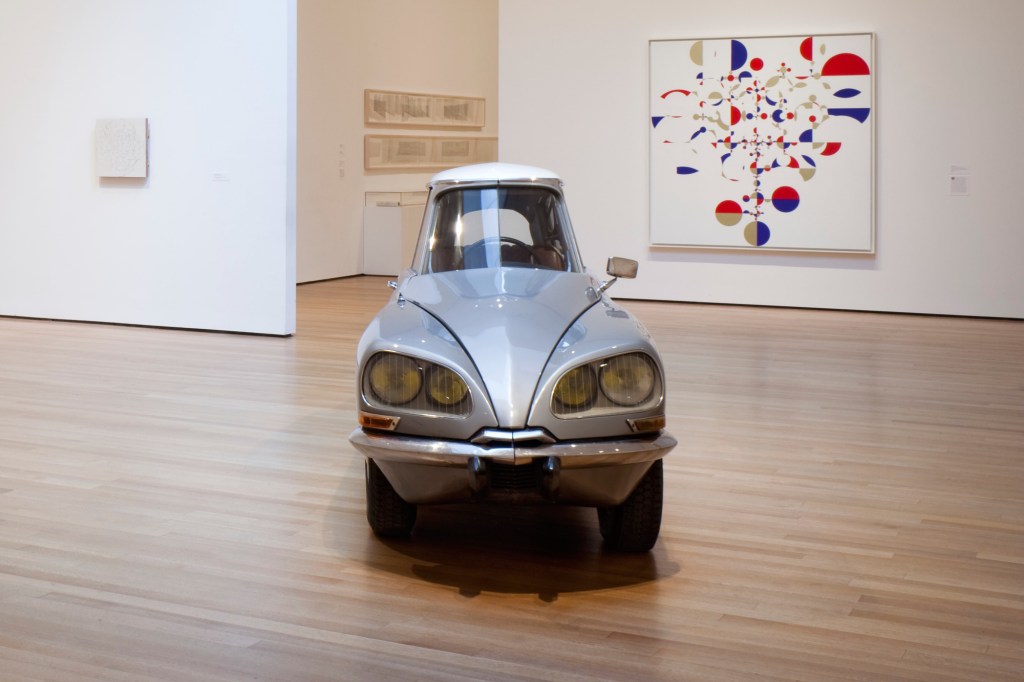
Gabriel Orozco is a Mexican contemporary artist, born in 1962, practicing in drawing, photography, videography, sculpture and installations. The subject of his works are usually based around common everyday objects, the reinterpretation and the relationship between humans and material objects. Other subjects that are prominent in his works are anatomy (of animals, insects & humans) and geometric abstraction.
The essay question that I have decided to do for the first semester is Characterizing the concerns of the Conceptual artists of the 1960’s and early 70’s Lucy Lippard identified the dematerialization of the art-object. However, more recent conceptual artists have embraced ideas of materiality and visual aesthetics. Focusing on the work of two artists, discuss this apparent shift in concern. and one of the artists that were recommended for me to look into is Orozco. Coming after the time period of the push of ‘dematerialization’ in the art world, Orozco’s interests in material practice were contrasting to his predecessors. He takes influence from the early conceptual artists of the 60’s, especially Duchamp’s ready-mades that mirrors his own works such as Empty Shoe Box (1993), Yogurt Caps (1994) and Lintels (2001).
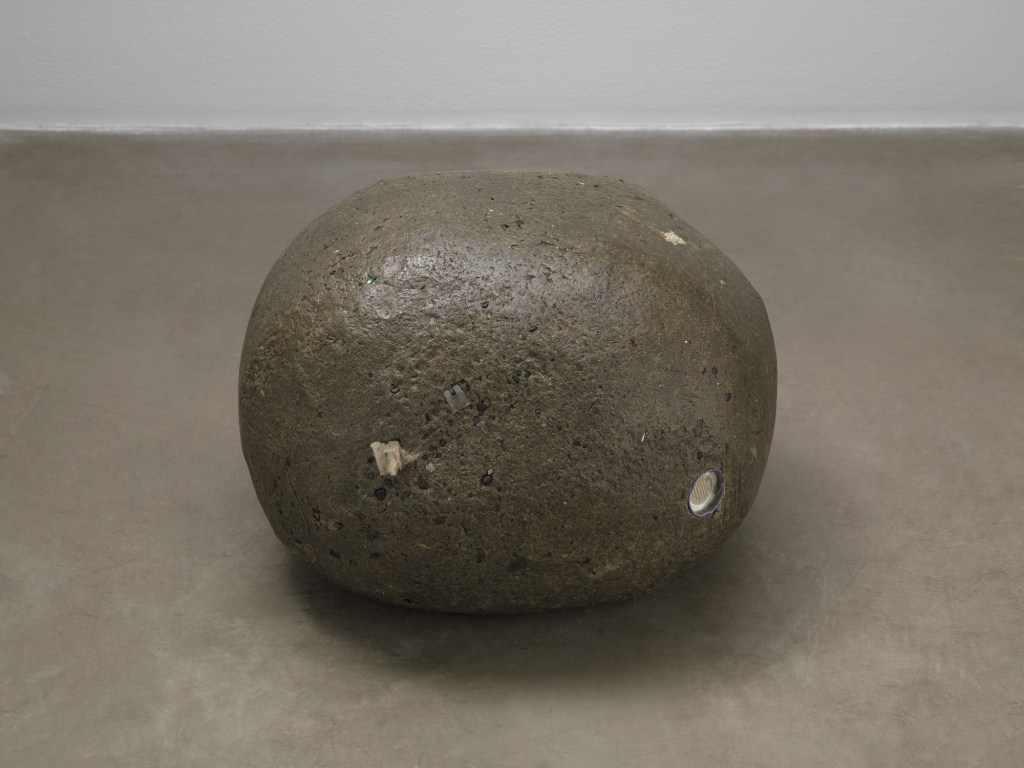
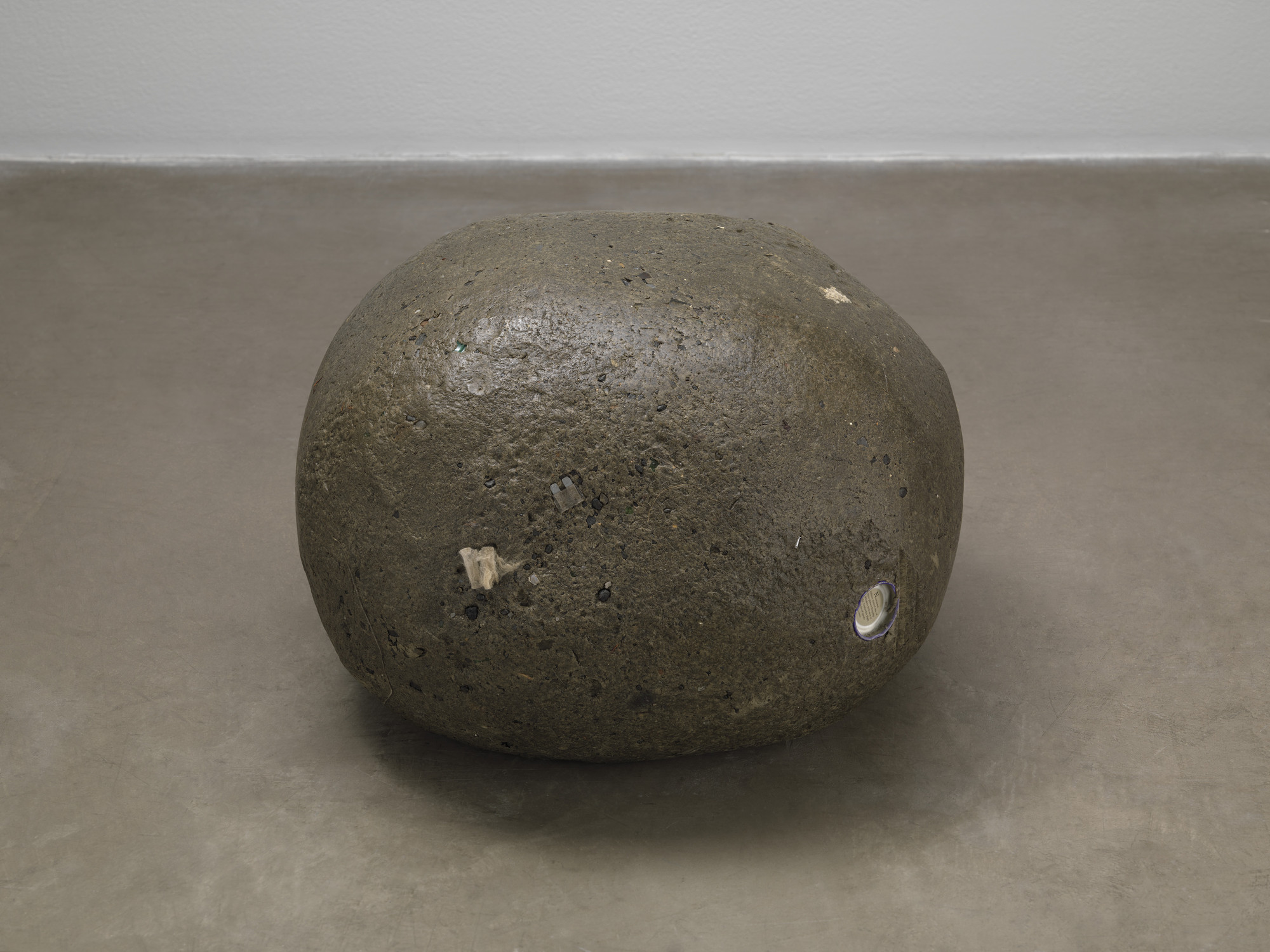
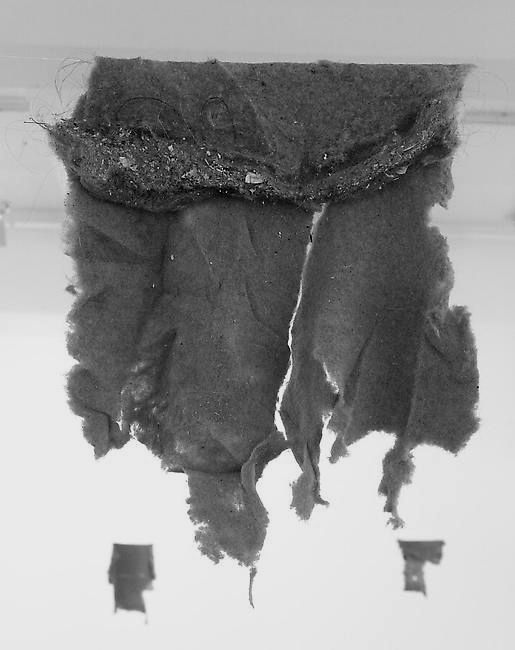
However, unlike Duchamp, who is interested in displacing the object out of context and placing a new ‘art’ concept, Orozco is interested in drawing in context from the urban environment that the artwork is placed within. He explores how common often- ignored everyday objects interacts in different environments. Empty Shoe Box (1993) and Yogurt Caps (1994) both function as ready-mades placed in an empty space/room, which challenges the audience’s relationship with the space, emptiness, self-awareness, and the body, whilst Lintels (2001) focuses on the repetitive human process through portraying and highlighting the accumulation and fragility of human hair, dead skin cells and debris. Similarly to Yielding Stone (1992), a solid Plasticine clay ball rolled down the streets to accumulate dirt and debris, both works ‘internalises its own impermanence‘. Yielding Stone displays the process of creation whilst Lintels reveals the process of degradation.
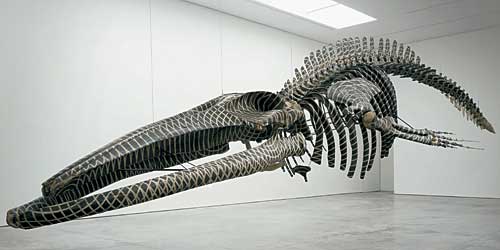
Another way he explores the materiality of objects is by questioning the ‘definitions and boundaries of the readymade object in sculptural works, as components of previously living beings are now the basis for creative experimentation and design‘, through inscribing geometric patterns in graphite onto the ready-mades. Black Kites (1997) and Mobile Matrix (2006) are examples of this kind of work that alters and changes the ready-made.
 Sarah K Obina