PRIX DE ROME
This interest becomes visible not only in their performances, but also in their video work, photography, installations and drawings. Theater has been an important factor in Breure & Van Hulzen’s work from the very start. In 2017 they began making sculptures – assemblages in the form of human figures, but also separate heads in ceramics. Observations of daily life tend to form the point of departure for Breure & Van Hulzen’s works. The basis for their first sculptures was the notion that people are, in essence, always playing a role. Such a role is accompanied by certain personality traits, a specific ‘mask’, an individual body language, and deliberately chosen attributes such as clothing. The sculptures are presented as representatives of certain ‘roles’. For example, the sculpture Rosa, 2018 on the right.

Twenty-one sculptures made of ceramics, bronze, concrete, steel, plaster, wood and textile. Laminate flooring, translucent curtains, security mirrors.
The installation is essentially about a theft crime that happened to a 68 year old woman at a store in Oldenzaal, the Netherlands on November 22nd 2016. The theft was recorded by a security camera but the police still could not solve the case. The Public Prosecution Service decided to air the footage on a TV crime show to ask the public for tips on the thief, but this backlashes when the footage is aired on a spin-off controversial website. This results in the woman’s address being known to the public and began the threats of the public. She commits suicide day of the broadcast where she calls to turn herself in to the police. In a statement the Prosecution Service laments the situation, but it does not consider itself accountable for ‘what happens on the internet’. A later response states that the Prosecution Service ‘has had a wake-up call with regard to privacy’ but does not intend to change its current policy regarding the recognizable showing of suspects.
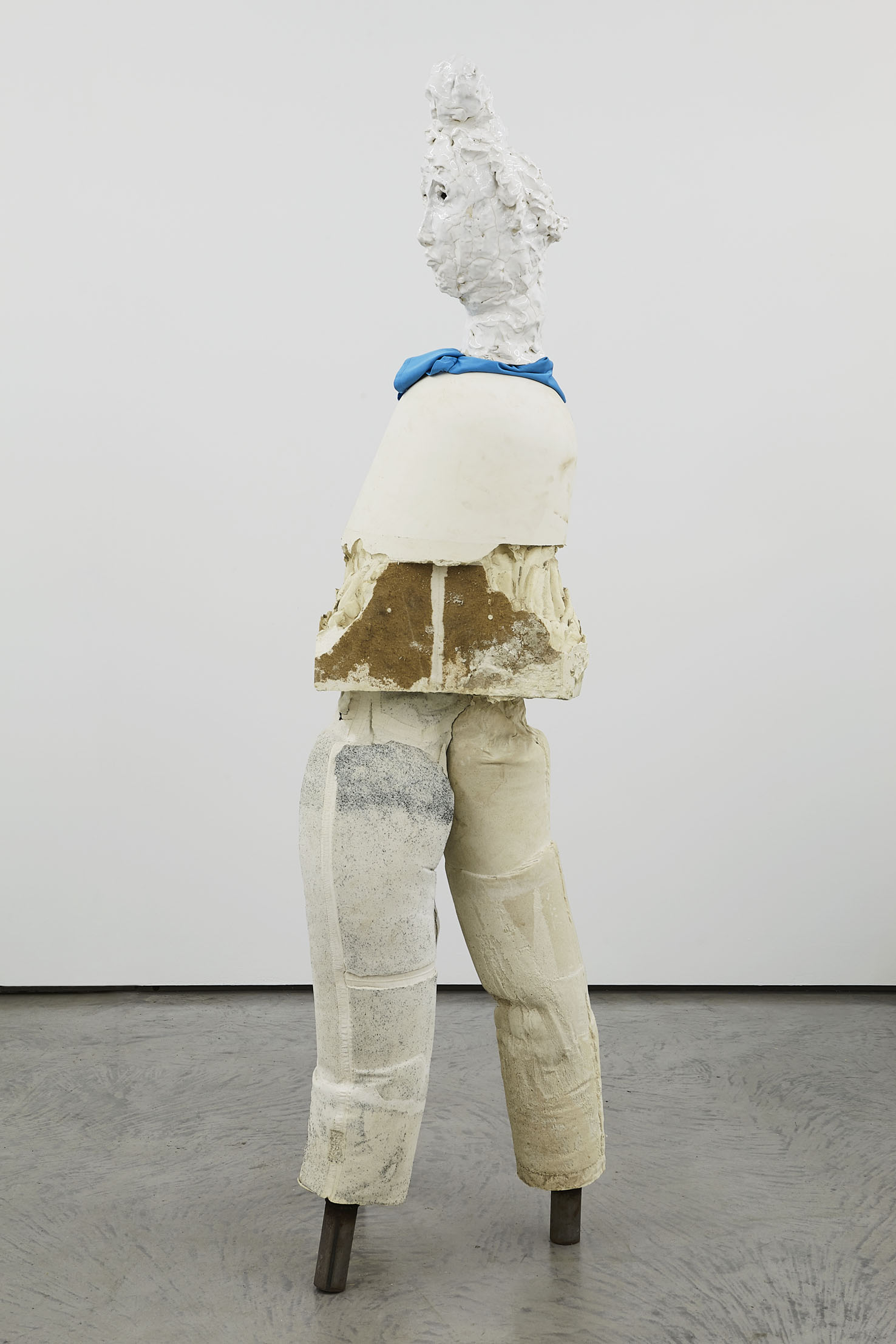

I went to Amsterdam last year and saw Accidents waiting to Happen (2019) at the Stedelijk Museum. Unfortunately, I couldn’t watch the performance that came with the installation but I really like seeing the sculptures. They were all very unique and had a lot of character. The room did emanate a hospital setting because of how large and white the space was. But my favourite part of the work was the micro-cameras that were attached to the walls all around the room. They were connected to the multiple monitors that were in each corner of the room and played a live streaming of the people in the room. Some of the monitors were flipped upside down whilst others had a time delay and its hard to tell which camera connects to which channel. This gave the sense of surveillance over the viewer, and it was kind of confusing knowing that we were being filmed but not knowing from which direction.
I really liked this because the viewer becomes part of the work, and it was engaging in an almost frustrating kind of way. The concept that the artists were trying to achieve also worked well because the camera captures the viewers alongside the sculptures, having the two diverge.
 Sarah K Obina