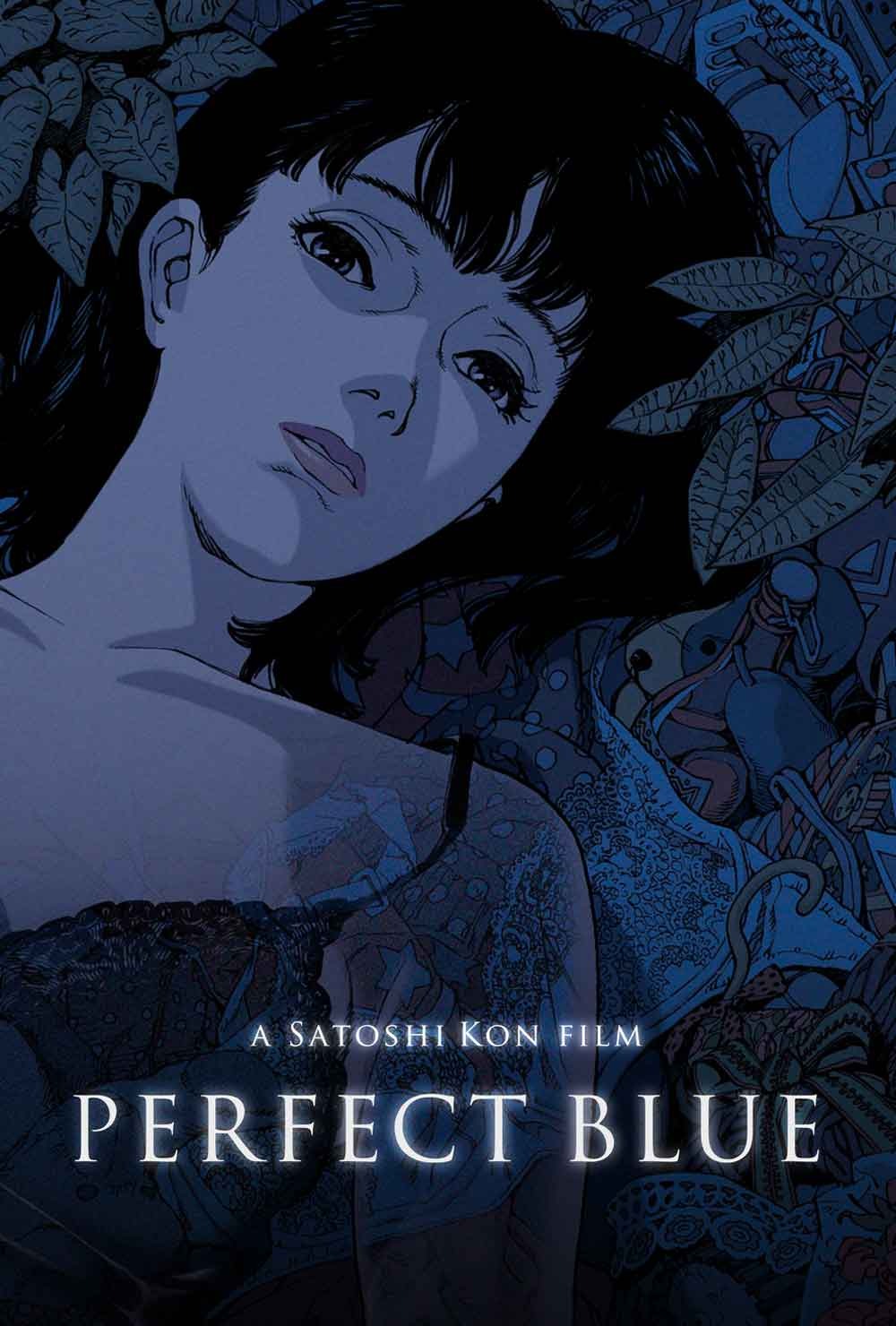
We can come to the most apparent conclusion, that being blue has always been the colour of melancholia, of sadness, and depression. I think this attributes to the name. After all, the set of circumstances within the film are – in some sense – a perfection of melancholia… even madness. They’re a culmination of various mental states gone awry.
Red has always been symbolic of blood, love, passion, fire, violence, and sexuality.
Mima no longer knows who she is. Perfect Blue deeply explores identity. Who is Mima?
We glimpse this psychosis through Mima’s visions of herself in the environment: in mirrors, in windows, and in the dark reflections of the train’s glass. We watch, helpless as Mima’s new life is sent astray by the ruminations of her previous life, with the visions of the person she used to be.

The direction of this film is made to distort the viewer’s understanding. Especially in the third quarter of the movie, everything is quite disorienting. As Mima starts to lose control of who she is, scenes start to merge together.
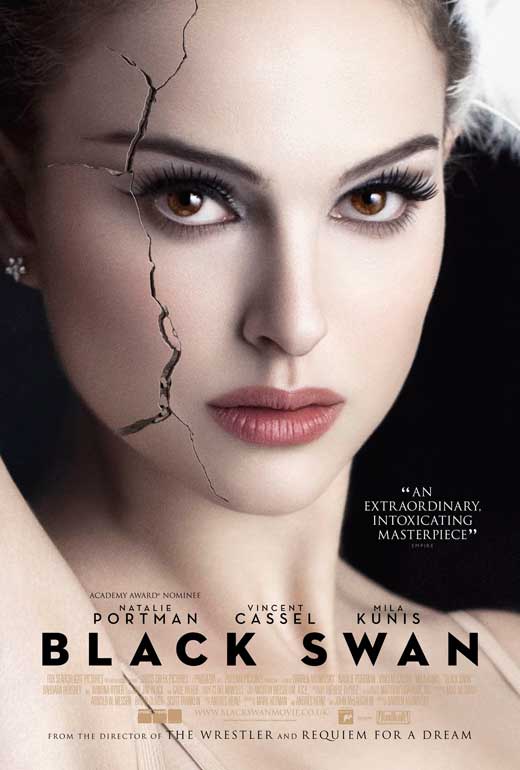
In “Black Swan” Nina’s mirror-image starts to take on an independent life. Away from the classroom Nina continually sees this doppelgänger acting out her hopes and horrors. At the climax of a lesbian fantasy Nina’s lover Lily turns into Nina’s lover Nina: a radical rewrite of the old idea of the dancer as Narcissus.
Nina sacrifices her old self to reach perfection. To play the black swan (the free, sexually-awakened), she cannot be the white swan (innocent and perfect).

Nina’s desire for perfection is manifested in seeing herself as the black swan in reflections of mirrors, through hallucinatory scenes and even in her rival Lily. As she yearns to become the black swan, she loses control and begins to descend into madness and self- destruction.
 Sarah K Obina