SHORT FILMS

Favourite shot of the film. It has a sense of surrealism, because this is in his bath. I also like the link from the bathtub that the person uses to the fish bowl, where the fish resides. I like connection placed between them, where whatever happens to the bath will also happen to the fish bowl.
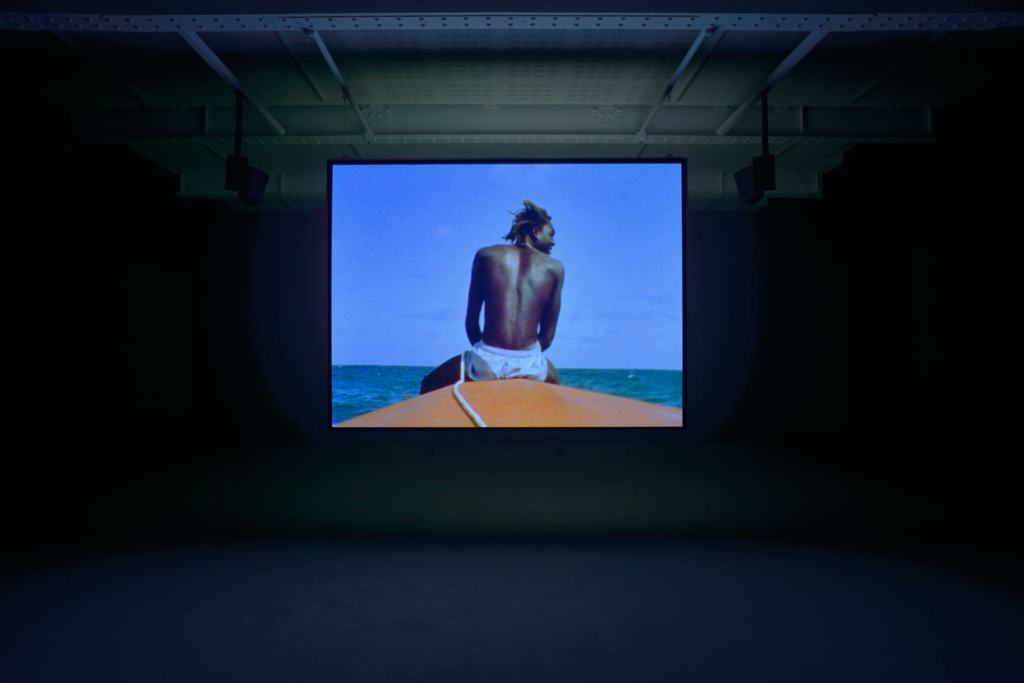
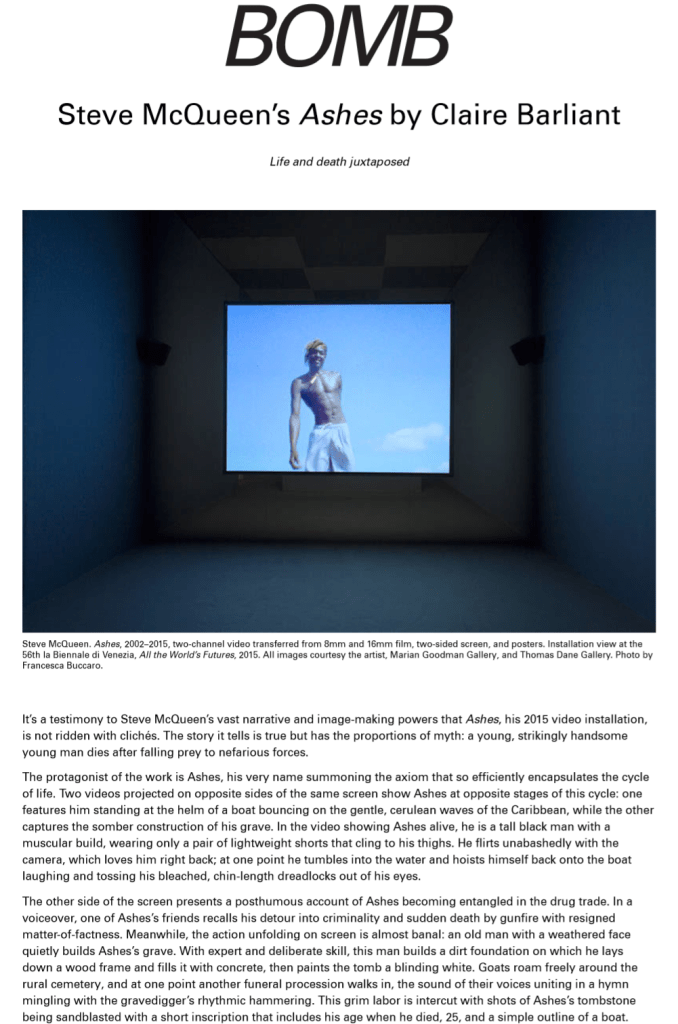
Sequel to ‘GENESIS’. I think I like this one better that the first. This one had much more beautiful and powerful scenes. I specifically like the scenes of the young black man, walking through the beach. There was a single scene of his portrait with subtitled text. That’s what I would like to include in my work too.
I like the different shots and scenes in this film. I like the experimental aspect of this. There was a lot of play involved and some worked and some didn’t. I also really like that they used a projector to project onto the bodies to add layers and dimension to the work, in addition to the editing. I might experiment with this technique and use a projector, whilst filming.
I like the use of black and white. I also like the use of texts and documents that pop up on multiple shots. This had a lot of focus on the lighting, and the scale of the shots. For example, there was a juxtapose with the large room that Mr Madden was in (wide shot) and the closeup shot of the the light from the monitor illuminating his face. There were also zoom in shots.
I like the close ups. The shots of his hands make it look like they’re not his own, like someone else is touching him (but its just him). And i preferably like the last scene, where his hands cover his face and uncover again to reveal nothing. It could be a symbolism of how he has become nothing, after all the suffocation and emotion he went through.

PERFECT BLUE & BLACK SWAN

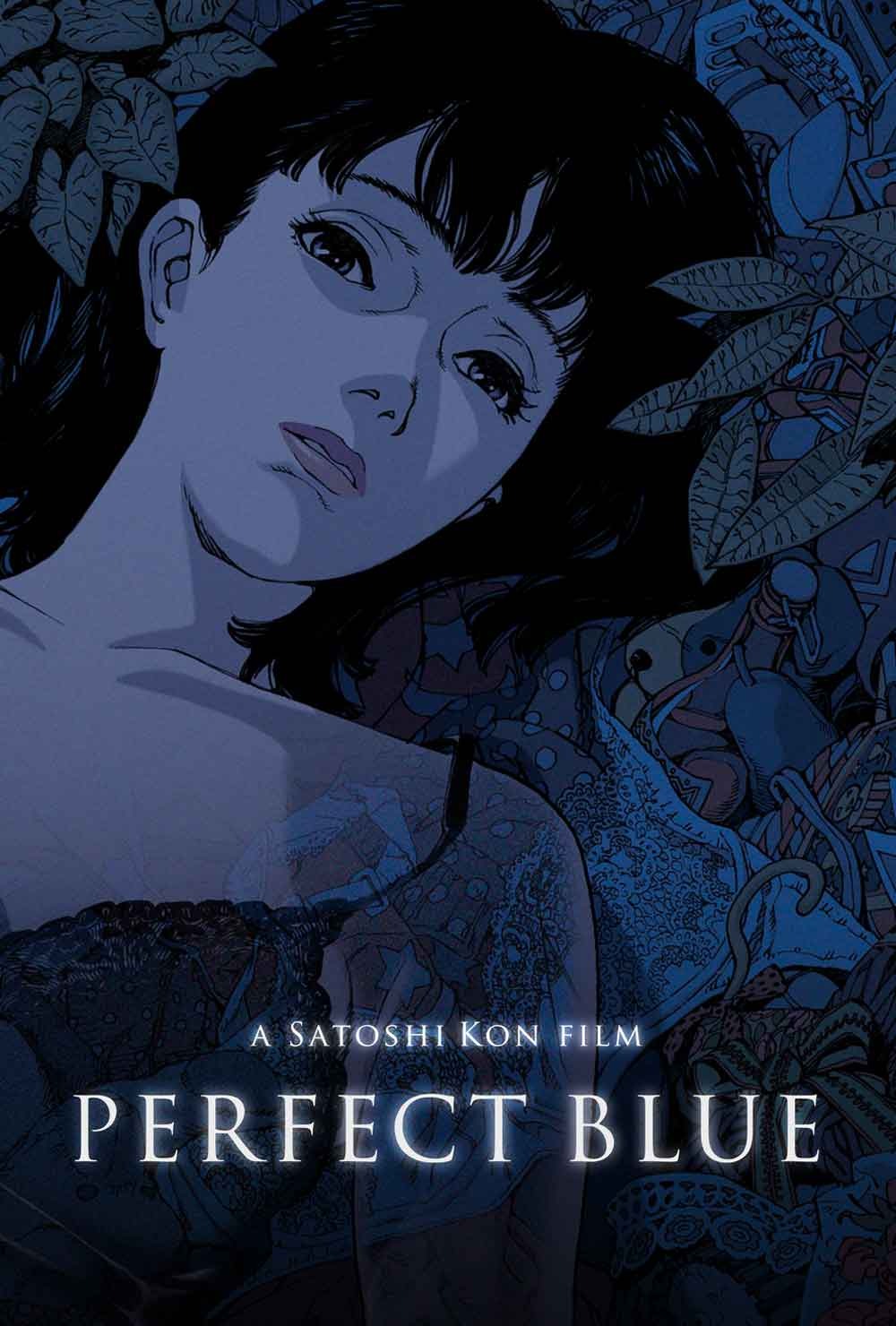
Perfect Blue (1997)

We can come to the most apparent conclusion, that being blue has always been the colour of melancholia, of sadness, and depression. I think this attributes to the name. After all, the set of circumstances within the film are – in some sense – a perfection of melancholia… even madness. They’re a culmination of various mental states gone awry.

Red has always been symbolic of blood, love, passion, fire, violence, and sexuality.

Mima no longer knows who she is. Perfect Blue deeply explores identity. Who is Mima?

We glimpse this psychosis through Mima’s visions of herself in the environment: in mirrors, in windows, and in the dark reflections of the train’s glass. We watch, helpless as Mima’s new life is sent astray by the ruminations of her previous life, with the visions of the person she used to be. 

It’s about people perceiving us in ways that we don’t really choose and that perception becoming reality. We see the fictional character taking over the person. In a world that feels very real what would happen if someone lost control of this character? Honestly, this idea would freak anyone out, especially now that people like to show a ‘different’ side of them online and on social media.

The direction of this film is made to distort the viewer’s understanding. Especially in the third quarter of the movie, everything is quite disorienting. As Mima starts to lose control of who she is, scenes start to merge together.
Black Swan (2010)

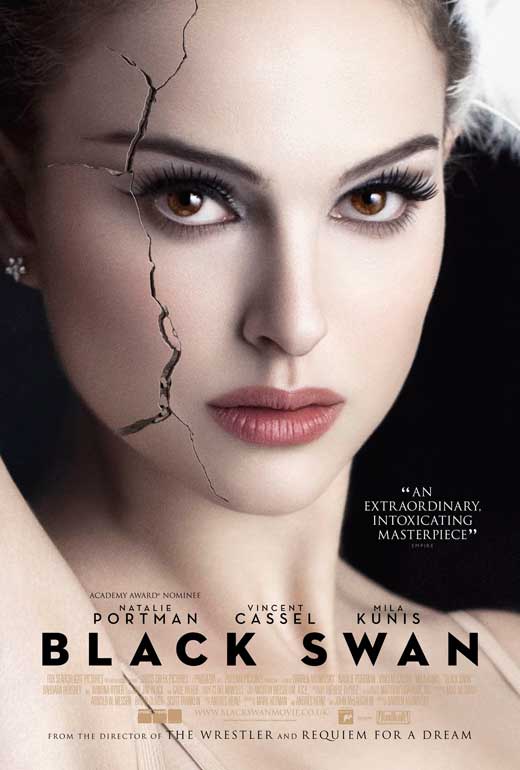
Will poor hard-working Nina (Natalie Portman) get the white-black double lead role of “Swan Lake,” pull off its taxing demands, survive till the first night and vanquish her rival, not to mention her terrors? Nina’s life spirals out of control for alarming reasons apparently beyond her control and indeed her comprehension.

In “Black Swan” Nina’s mirror-image starts to take on an independent life. Away from the classroom Nina continually sees this doppelgänger acting out her hopes and horrors. At the climax of a lesbian fantasy Nina’s lover Lily turns into Nina’s lover Nina: a radical rewrite of the old idea of the dancer as Narcissus.

Nina sacrifices her old self to reach perfection. To play the black swan (the free, sexually-awakened), she cannot be the white swan (innocent and perfect).

The tragedy of Nina, and of many young performers and athletes, is that perfection in one area of life has led to sacrifices in many of the others. At a young age, everything becomes focused on pleasing someone (a parent, a coach, a partner), and somehow it gets wired in that the person can never be pleased. One becomes perfect in every area except for life itself.

Nina’s desire for perfection is manifested in seeing herself as the black swan in reflections of mirrors, through hallucinatory scenes and even in her rival Lily. As she yearns to become the black swan, she loses control and begins to descend into madness and self- destruction.


ANDREA FRASER

What do i, as the artist, provide? text 2007


STEVE MCQUEEN

Born in London, England in 1969, Steve McQueen is an artist, film director, and screenwriter currently based in London and Amsterdam. His themes are universal and often focus on painful biographies. McQueen has mastered the art of minimalist storytelling to deliver the utmost impact on his viewers.  In his own words he “wants to put the public in a situation where everyone becomes acutely sensitive to themselves, to their body and respiration.” 

He has directed four feature films, most recently Widows (2018). His first, Hunger (2008), was awarded the Caméra d’Or at the Cannes Film Festival, and his third, 12 Years a Slave (2013), received the Golden Globe, Oscar, and BAFTA awards for best picture in 2014.

Ashes, 2002 – 2015

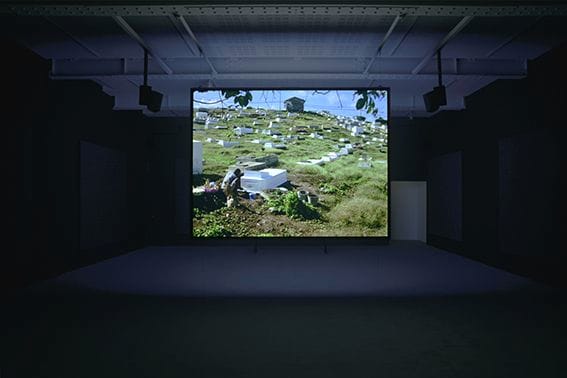
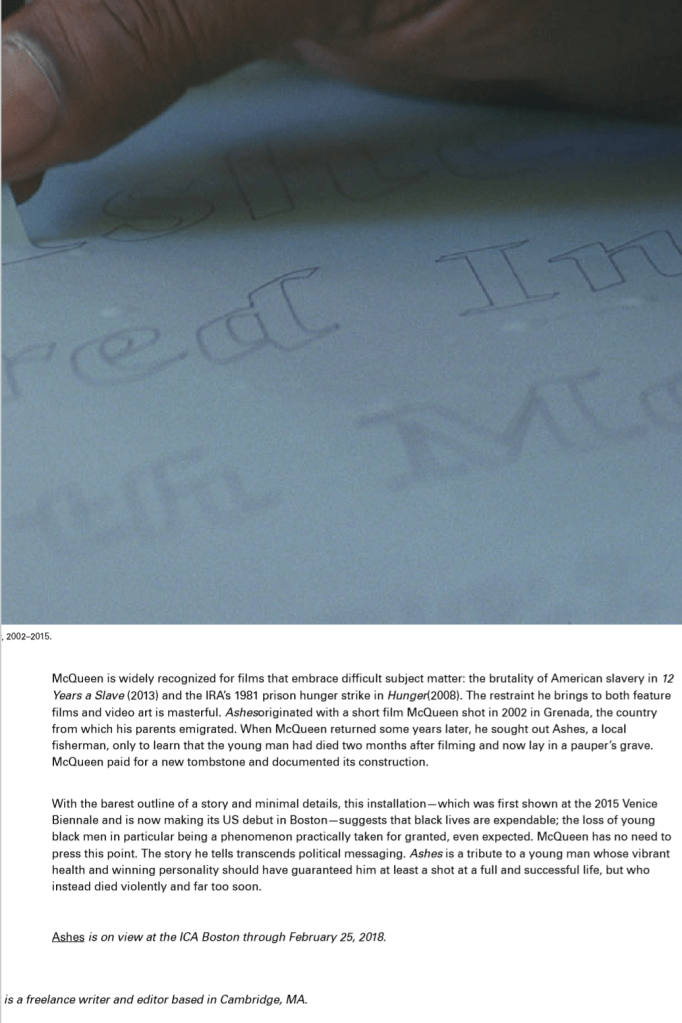
In 2013 McQueen returned to Grenada and discovered that Ashes had been shot dead by drug dealers. The artist then decided to record the story of his death. A second film, shot in 16mm, shows Ashes’s tomb being constructed and the etching of a memorial plaque for his grave. The soundtrack features two local men telling the story of how Ashes discovered a stash of drugs, stole them and was then hunted down and killed by a gang of dealers.
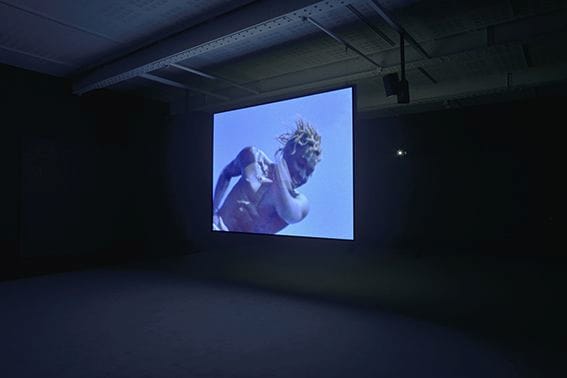
In the final installation, titled Ashes, McQueen’s two films are shown back-to-back on a single screen, the vibrant life depicted in one countered by the tragic tale of death in the other.


JOAN JONAS

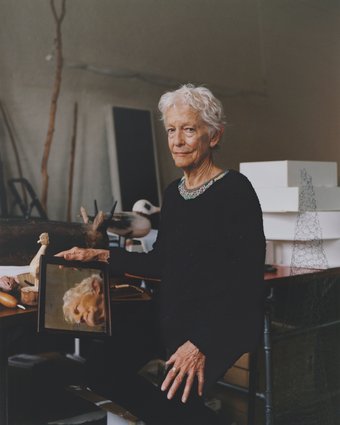
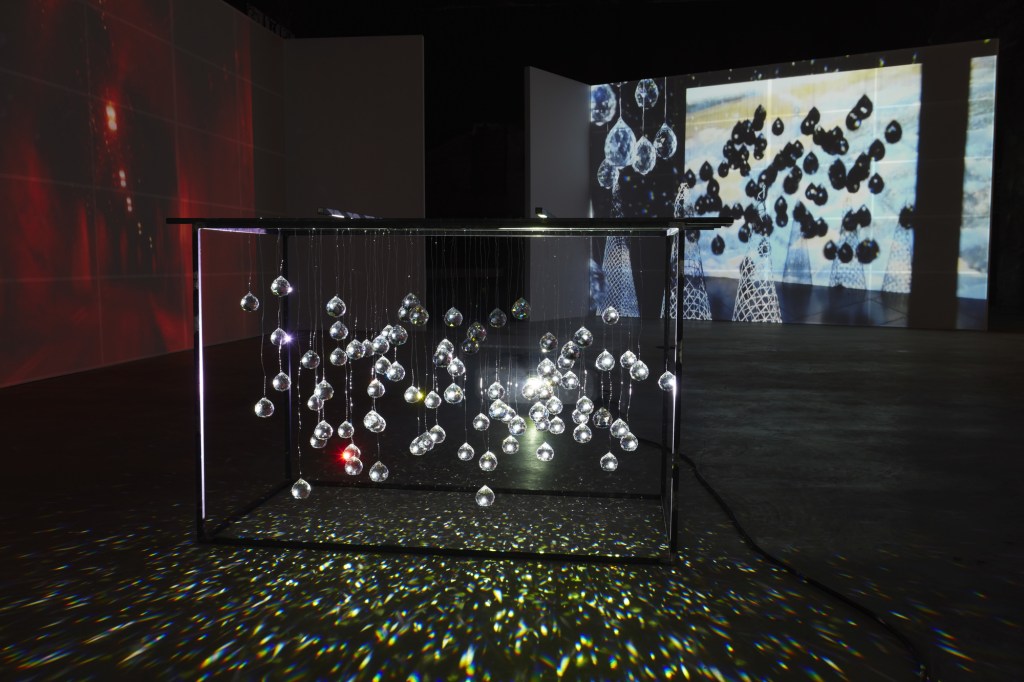
The work explores Jonas’s love of folklore and of fairy tales. The work is her reinterpretation of the tale of the same name taken from the first volume of the Brothers Grimm fairy tales. The story begins with a woman wishing for a child “as red as blood and as white as snow”, while standing by the juniper tree where she would eventually be buried. After giving birth to a boy, she dies and her husband re-marries and has a daughter. The step-mother, jealous of the step-son, kills him and serves his remains to his father in a stew. The son is then reincarnated into a bird and gets his revenge on his stop-mother by crushing her with a millstone. Upon the stepmother’s death, the son is reborn and reunited with his father and half-sister. This work became an important transitional work for Jonas, in that she uses paint, the practice of drawing, as well as narrative and text to represent the symbols and motifs in the story.

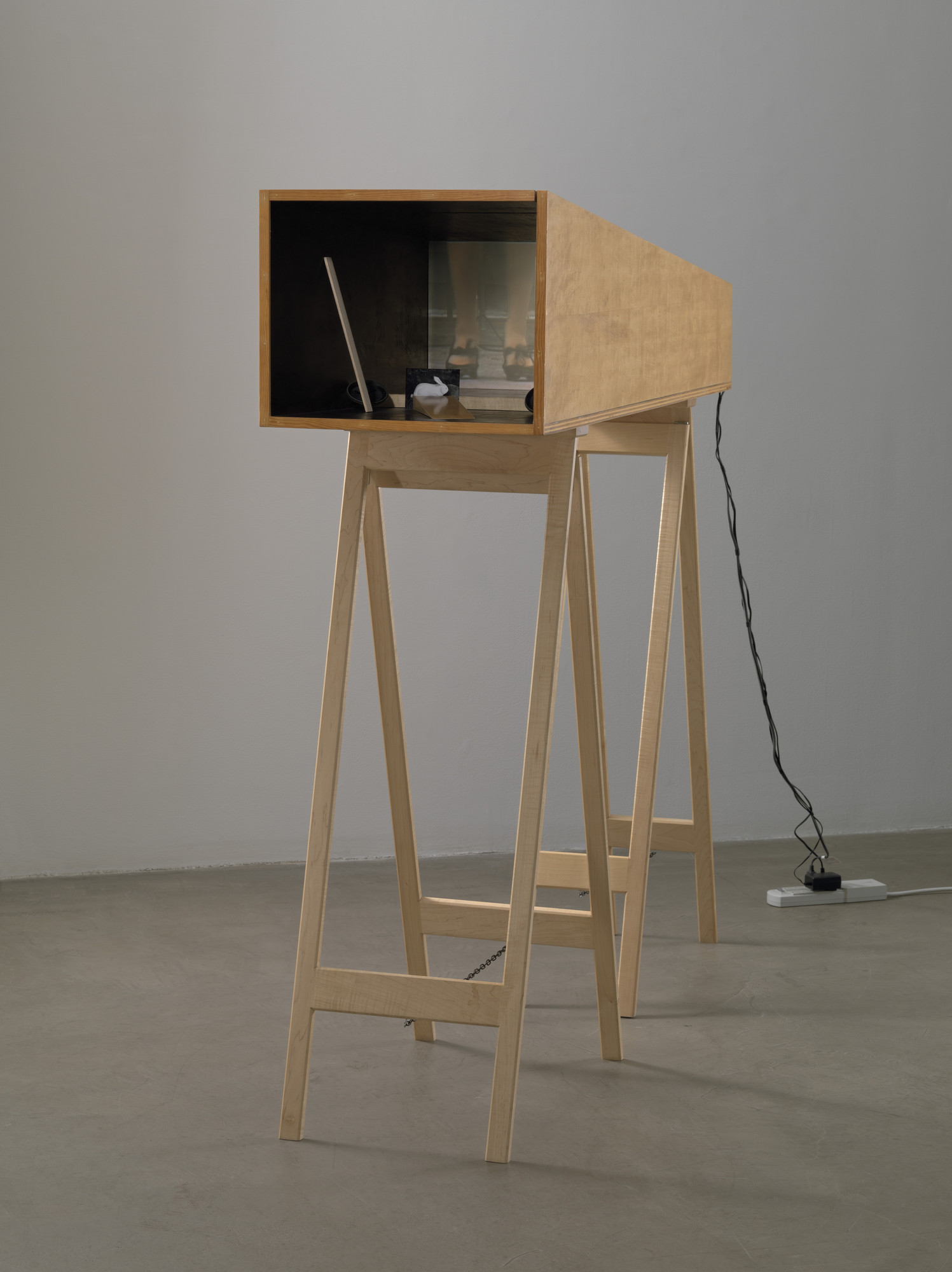
In discussion with art critic Robert Ayers, Jonas comments that her theatre boxes are “an extension of the studio. It’s as though you are looking into a miniature world. That’s the indoor space, and then I also include landscape space”.This notion of how performance art can exist without the performer is a constant theme at the core of the theatre box works. The new medium challenges the notion of what performance is. In an interview with the Tate, Jonas comments that she felt drawn to video so that her performance work would not simply “disappear” after its execution. 

Reanimation brings together many of the elements of multi-layered materials and meanings which Jonas has explored throughout her practice. Jonas comments that her interest in layers stems from “the way our brains function. We think of several things at the same time. We see things and think another, we see one picture and there’s another picture on top of it. I think in a way my work represents that way of seeing the world – putting things together in order to say something.” 


LAUREN GAULT: CITHRA

the Artist

Visual artist, born Belfast, 1986
Duncan of Jordanstone College of Art and Design 2004 – 2008
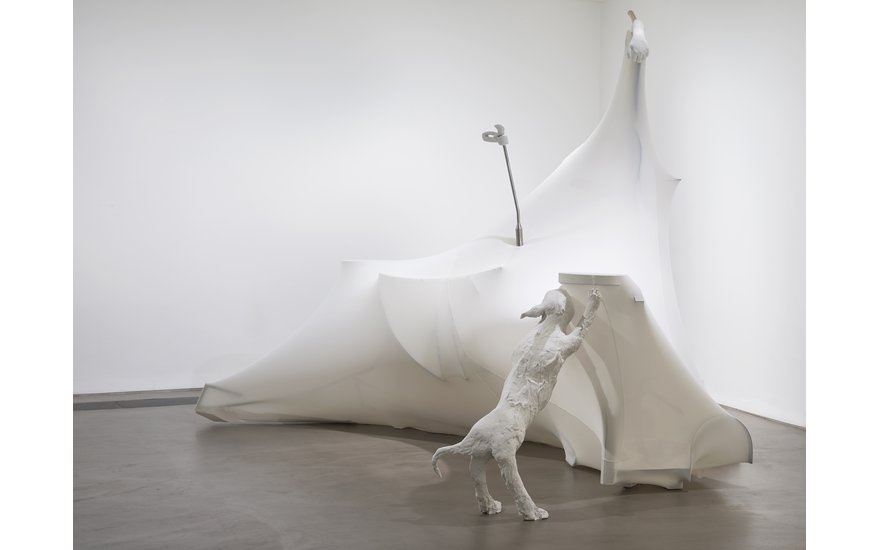
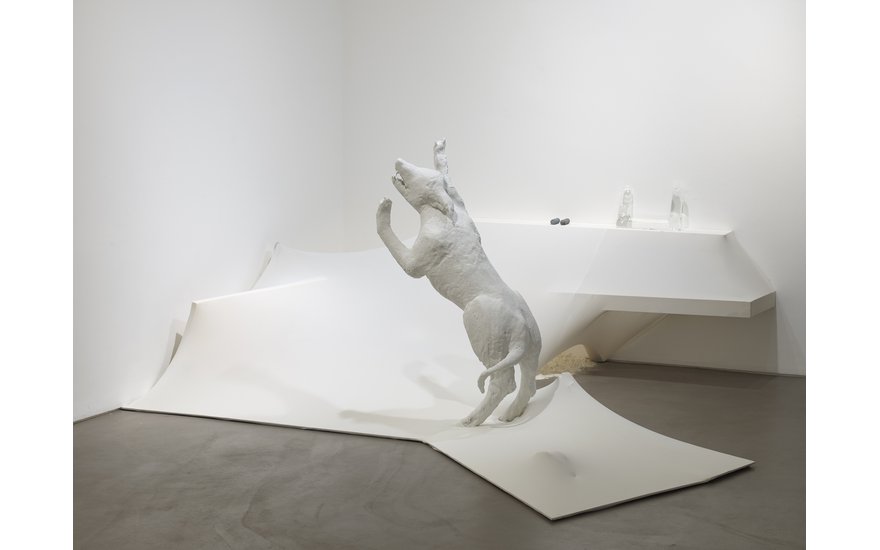
Lauren Gault considers the political and ethical implications of our interactions with matter and the environment. Her work evokes intangible encounters with non-human experiences of time, space and physicality. In her sculptures, materials as diverse as silicone rubber, blown glass, pumped air, stitched suede, water or agricultural milk powder are subject to change through actions and physical processes that often involve pressure, tension and release. Exploring the transitions between different states of matter and scales of experience, Lauren’s work creates a space for objects to communicate and resonate with one another.

GAsworks, SOuth London, 23 jan – 22 march 2020

 CITHRA, 2020 – Installation View

Experimenting with unorthodox techniques and manufacturing processes, her work explores the often imperceptible changes that occur all around us, from microscopic events to geological time-scales, and confronts the ethical, political and emotional implications of human interactions with the environment.

In Gault’s sculptures, diverse materials are transformed through processes that involve pressure, tension and release. Her work evokes fleeting encounters between radically different materialities and opens up a space for objects to communicate and resonate with one another.

The exhibition follows on from Gault’s residency at Gasworks during the spring of 2019, in which the artist researched the writings of Irish-born female explorer, inventor and self-educated scientist Martha Craig (born 1866), digging into the manuscripts and rare editions of her visionary lectures on physics. A relative of the artist, Martha Craig published a forgotten science-fiction novel, The Men of Mars in 1907, under a mysterious pen name, ‘Mithra’. This became the point of departure for Gault’s exhibition, C I T H R A —its title an allusion to the early Zoroastrian term for ‘seed’, ‘species’ and ‘livestock’.

Intimately bound to the artist’s rural upbringing in Northern Ireland, Gault’s new body of work reflects on the changing shape of agriculture, considering the close interdependencies between wildness and domestication.

Materials & Mediums used in the exhibition (from Gasworks CITHRA press release) :

  • Lycra
  • Metal
  • Colostrum milk powder
  • Bolus gun
  • Bolus ‘digested’ in human stomach pH acid
  • Jesmonite
  • Blown glass
  • Solid glass
  • Distilled water
  • Horn
  • Polished horn (Lanthorne)
  • Silica
  • Eaten strawberries
  • Acrylic
  • Water
  • Cast 3D scan of Auroch hoof-print found on beach
  • Agriculture lime capable of changing pH levels of soil
  • Calcium chloride
  • Sound

the experience

I actually had a chance to see this in exhibition in February at the Gasworks. The front desk attendant was lovely and gave us a brief explanation of the exhibition and a tour. One thing I remember her saying that was interesting to me was that the work is heavily research-based and the unconventional experimentation of different materials that are involved. I like how the work involves a lot of research and thus results in every form and material to hold meaning and context. The wide ranging collection of different and diverse materials and objects used creates a space for objects to communicate and resonate with each other.

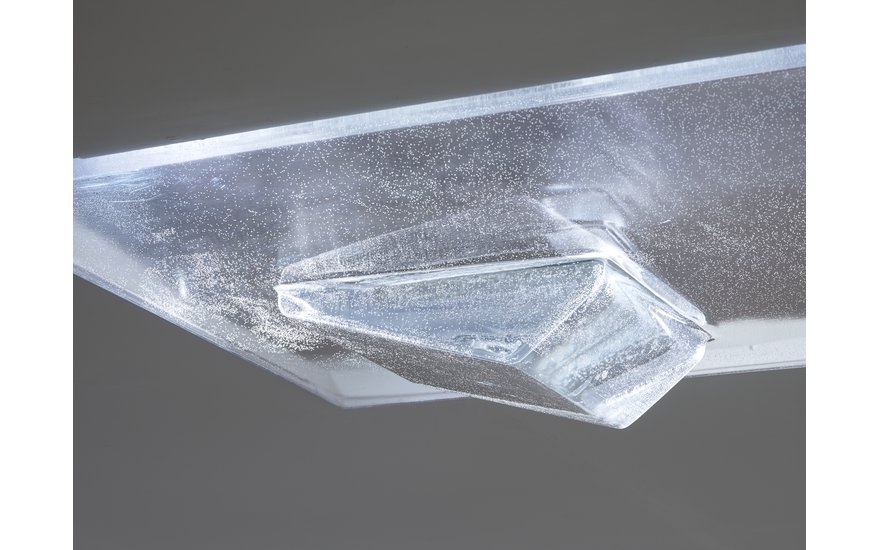
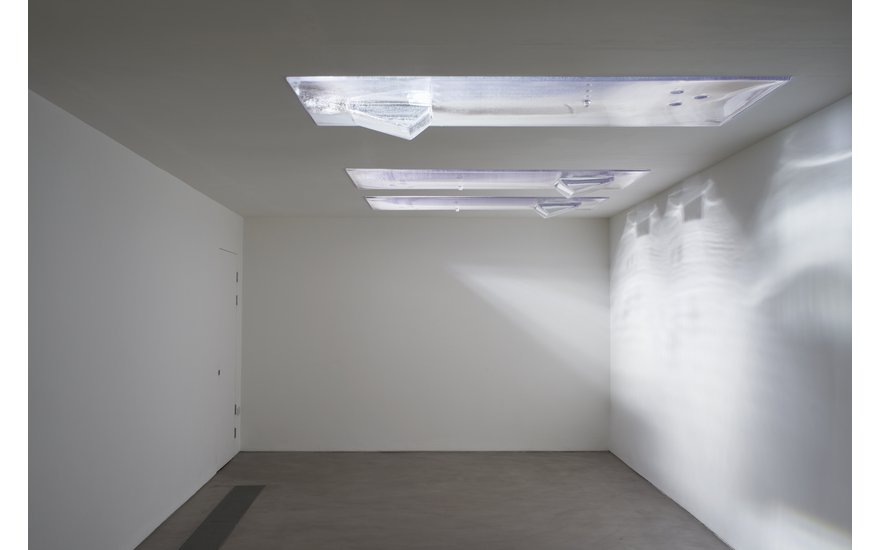
I also enjoyed the second gallery room, where a series of vacuum-formed crystal-clear acrylic water tanks take the entire space of the ceiling and refracts the lighting, to recreate a natural occurrence. The lady explained that the gallery had to accommodate this work and completely re-built the ceiling, which I can imagine to be an extensive job for the gallery for a temporary exhibition. However, it worked very well and it’s impressive to see a non-profit art organisation so accommodating.

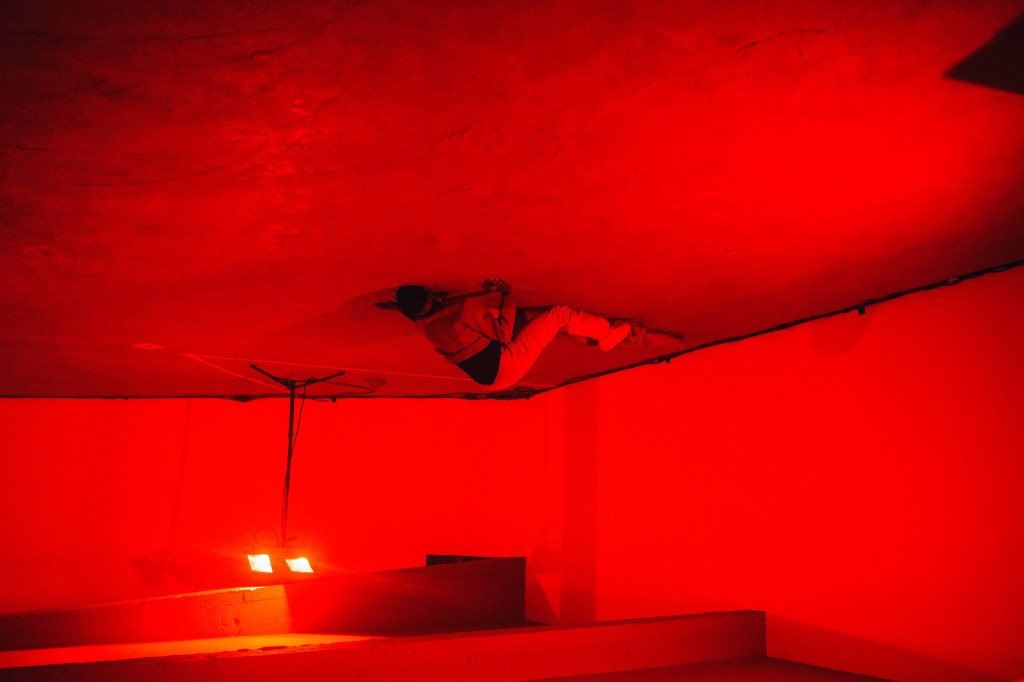
ROWDY SS: IS THIS THE END? A SONIC COLLAGE OF MANY ENDINGS

HYPER FUNCTIONAL, ULTRA HEALTHY @ SOMERSET HOUSE 13 JAN – 9 FEB 2020

His current project is an ongoing work that includes original sound/music compositions, video, dance, movement and listening as tools for performance to create other spaces, dream/meditative states to explore repetition and surprise movement and counter movement. Variations of a theme, motifs – moments of definition defined by the previous, reliant to predecession and that, which follows.

The intention behind these happenings: to use expected and unexpected spaces for sharing, exploring and furthering conversations that give life to new and old concepts, processes, traditions and techniques; doing more with the constant dualities, healing, destruction, connections/disconnection, the ways of ‘being’ in and during the performance; and allowing for the unearthing of the somewhat conditioned approaches to sharing/expressing ourselves to each other and with one another.

‘…..Is This The End? A sonic collage of many endings’, 2020
Hyper Functional, Ultra Healthy Sound Experience, 2020

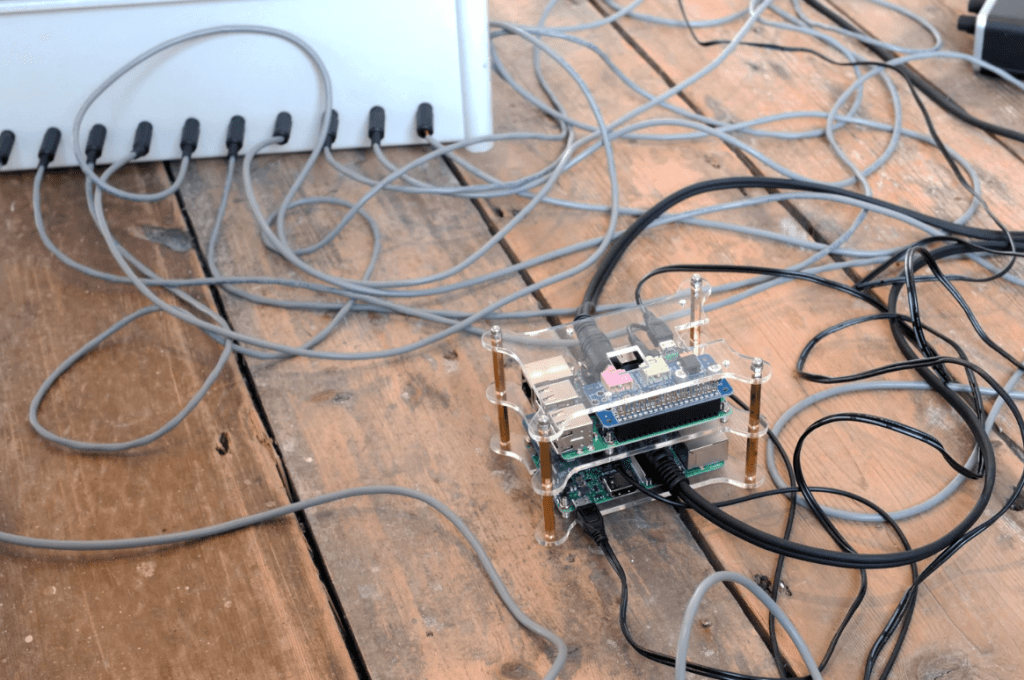
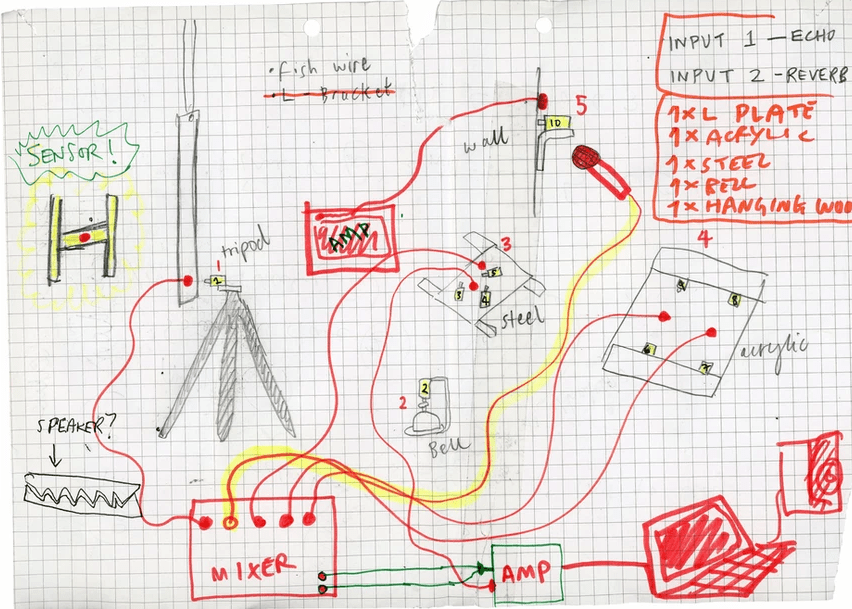
Rowdy SS opens Hyper Functional, Ultra Healthy with a sound experience and live perfomance inside their sound installation that synthesises the ceaseless urban noise of London to create a new soundscape of refuge and respite.

Part of Hyper Functional, Ultra Healthy, a programme of six specially commissioned artworks exploring the concept and practice of wellness. – 5 channel audio installation

oyster / barrier gates / people / escalators / beeps / buzzers / broom / concrete / conversations / many / checkouts / shouts / automated voices / barcodes / sign / posts / buses / horns / billboards / atm / heels / shoes / robots / touts / vendors / pushers / news / phone calls / bright lights / helicopters / discount theatre tickets / rickshaws / music / electric hums / bus / air / conditions / doors / creeks / hum / glass / smashing / construction / breaks / engines / doorbells / breathe / trains / footsteps / announcers / protestors / prayer / silent whispers / rainfall / splashing or water / boats / sirens / laughter / cries / helicopter / cars / tyres / tarmac / machinery / metal / bells / whistles / calls / falls / traffic / lights / self service checkouts / rustling / lightning / pigeons / piss / shouting / vomiting / glasses / clashing / glasses smashing / rubbish trucks / horse / shoes / gates / church / bells / fireworks / confetti / construction / workers / machinery / congestion / bodies / the young / the old / vehicles / thoughts / internal thinkings / minds / heartbeats / rhythms / breathe / yawn / laughter / birdsong / stillness / wind /

‘Is This The End? A sonic collage of many endings’ synthesises the artist’s extensive archive of recordings of the unrelenting noise of London to offer a multi-layered soundscape for refuge and reflection. The multisensory installation invites us in to take time to decompress from the pressures of urban life and find time to consider ourselves apart from the demands that are placed on us and which we place upon ourselves. Three seats provide positions and sounds from which we can consider past, present and future agency. By taking sonic elements that are often a source of unrecognised stress and making with them a potential source of healing, Rowdy SS asks us to pause and consider how we might alter our lives for our benefit.


JORDAN WOLFSON – ARTISTS FRIENDS RACISTS (2020)

Sadie coles hq, 31 jan – 29 feb 2020

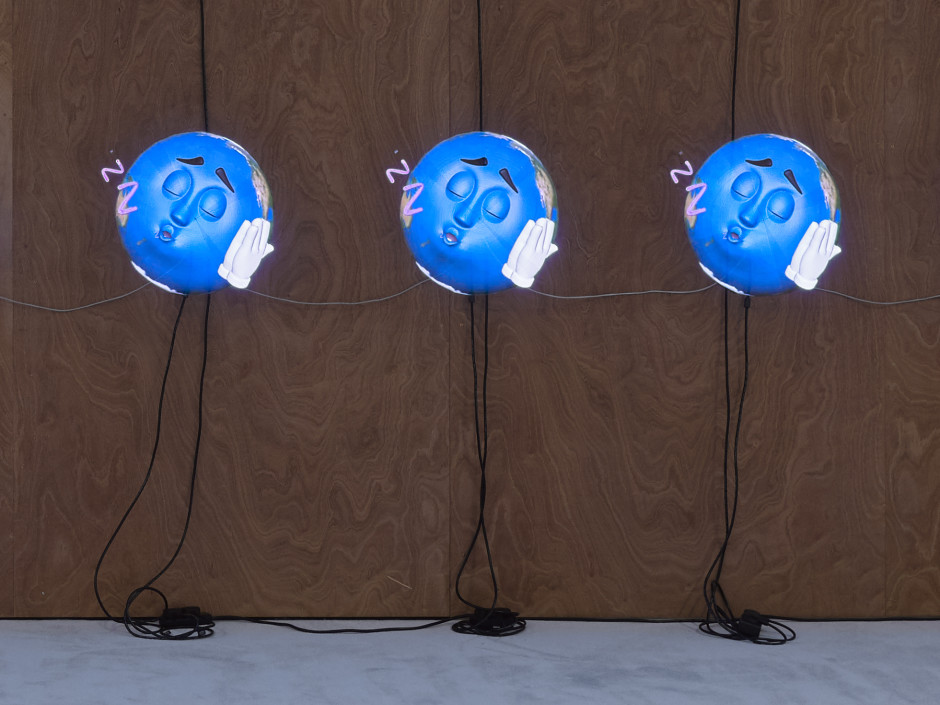
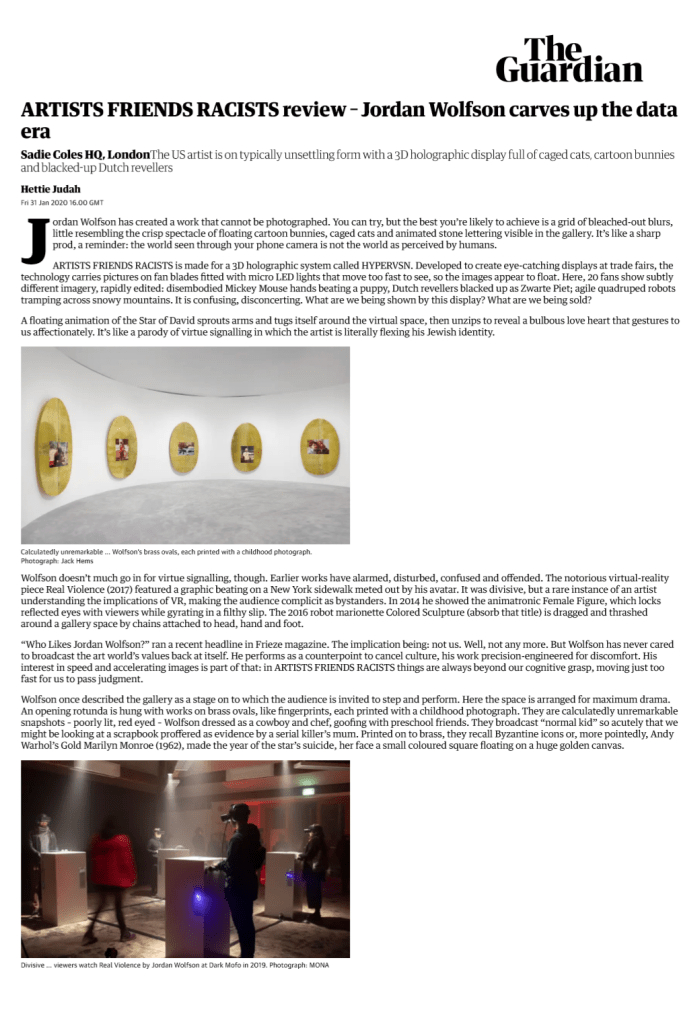
I saw this exhibition briefly when me and Cosmo travelled around London on 5th Feb, visiting current exhibitions and galleries that had temporary shows. I was interested in this work because of his use of spinning LED Hologram fan projectors named HYPERVSN. This is a relatively new type of 3D hologram, and what’s more interesting is that EMS at university has one that can be used by the students. This allows me to see how the equipment can be used in a exhibition setting so that if in the future I want to use it in my work, then the possibility is there. I was also peaked by the title of the exhibition, the use and the applied context behind the words ‘Artists’, ‘Friends’ and specifically ‘Racists’.

the artist

the works

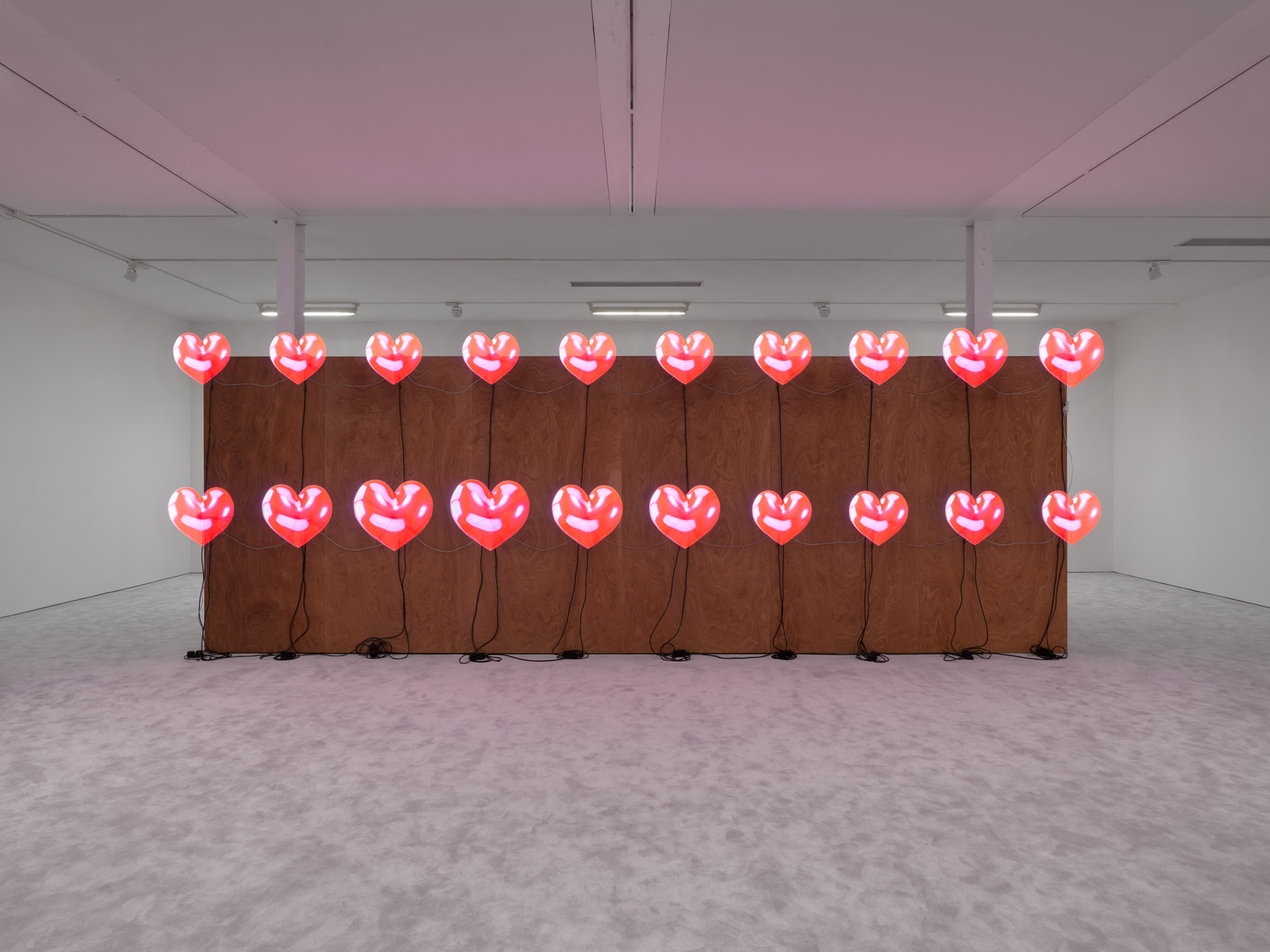
Jordan Wolfson presents a new installation consisting of multiple HYPERVSN 3D holographic displays. Arranged in a grid, these devices project a range of imagery developed by the artist to create a multipart digital mirage, alternately synchronized and syncopated. The exhibition also features a series of wall-mounted brass panels overlaid by snapshot photographs from Wolfson’s childhood. 

In ARTISTS FRIENDS RACISTS, Wolfson continues to probe American culture and contemporary life through an eponymously titled work which utilizes cutting-edge holographic display technology. Rapidly spinning fans have micro LEDs embedded in their blades, and these illuminate in a precise manner to create the illusion of imagery floating in space. The devices have primarily been marketed for commercial use – as a means of luring consumers and presenting brands and products in a visually dynamic and novel way.

Also on view are a series of new wall-mounted brass panels featuring UV substrate prints of photographs from Wolfson’s childhood. Part of the artist’s ongoing series of sculptural objects mounted to the wall, these new panels are the most personal that Wolfson has created to date. In contrast to the advanced digital technology of the fans, the brass panels allude to ancient metallurgy, classical sculpture, and the radiant, gilded surfaces of churches and altarpieces from the Middle Ages. Isolated on the surface of the brass, the childhood snapshots attain a surreal aura while also being intimately linked to the artist’s own past and to the universal experience of nostalgia mediated through photographic imagery.

Wolfson’s work consists of fans programmed with animated characters, symbols, and words, including a cartoon heart, a puppy, and an imprisoned cat, among other imagery. Thematically structuring the visual display are a series of animated words that read “Artists,” “Friends,” “Racists,” which crash down intermittently. At times Wolfson’s animations overlay different photographs and video clips, some of which appear relatively innocuous—such as cookies—while others depict more overtly charged subjects, such as police cars and 9/11 firefighters. Viewed within the space of the gallery, the sequence plays out like a choreographed dance or a musical composition, with imagery at times synchronized—with multiple fans featuring the same projection—and at others times syncopated and incongruous. The visuals and animations appear immaterial and free-floating, as though superimposed over the material, physical world. At once enigmatic, comical, and disquieting, the presentation highlights how symbols, characters, and even language have achieved a life of their own in today’s advanced image economy, existing like specters that reach beyond the confines of the media and systems in which they circulate.

Exhibition Walk-through


BLOOMBERG NEW CONTEMPORARIES 2019

SOuth LOndon Gallery, 6 Dec 2019 – 23 Feb 2020

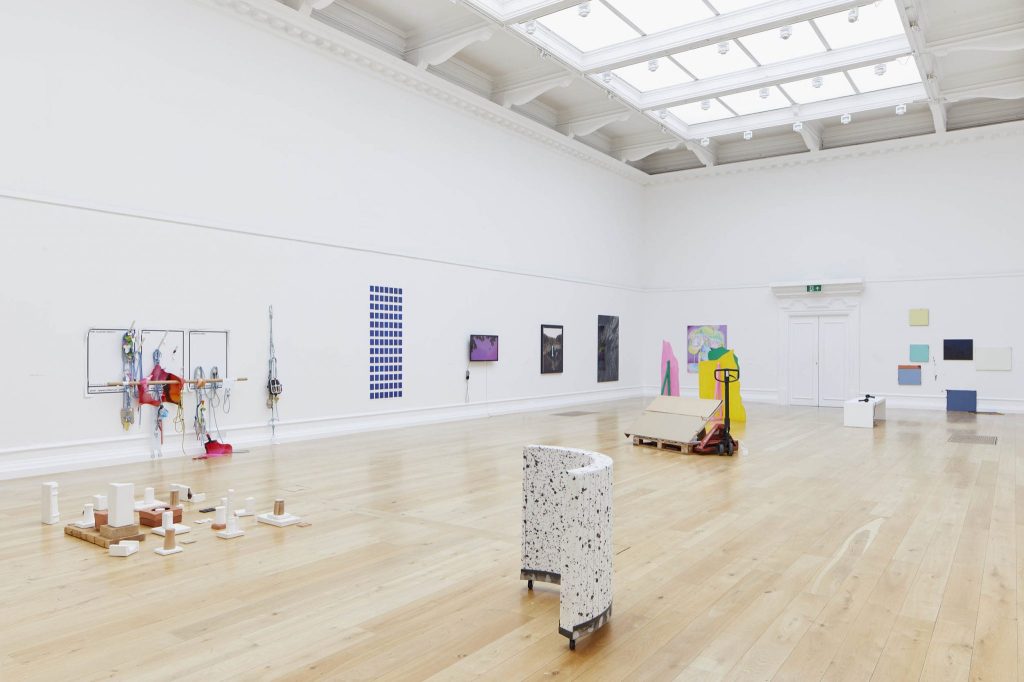
Bloomberg New Contemporaries 2019, installation view at the South London Gallery.
Photo: Andy Stagg

Bloomberg New Contemporaries returns to the South London Gallery with an exhibition of works by 45 emerging artists presented across both the Main Gallery and Fire Station. A guest panel comprising artists Rana Begum, Sonia Boyce and Ben Rivers selected participants from over 1,500 applications to the annual open-submission exhibition. The show marks the 70th anniversary of New Contemporaries, which since 1949 has played a vital part in the story of contemporary British art, reflecting and responding to developments in artistic practice, and supporting artists.

Works that i liked:


Alexei Alexander Izmaylov

b. 1985, Voronezh, Russia

2018-2020 MA Sculpture, Royal College of Art, London

2005-2008 BA Visual Communication & Graphic Design, University of Leeds, Leeds


Rafael Pérez Evans

b. 1983, Málaga, Spain

2018-2020 MFA, Goldsmiths College, University of London

2007-2010 BA Fine Art, Goldsmiths College, University of London


Louiza Ntourou

b. 1988, Athens, Greece

2016-2019 MA Experimental Film, Kingston University, London


DOMINIC HARRIS: IMAGINE EXHIBITION

The artist

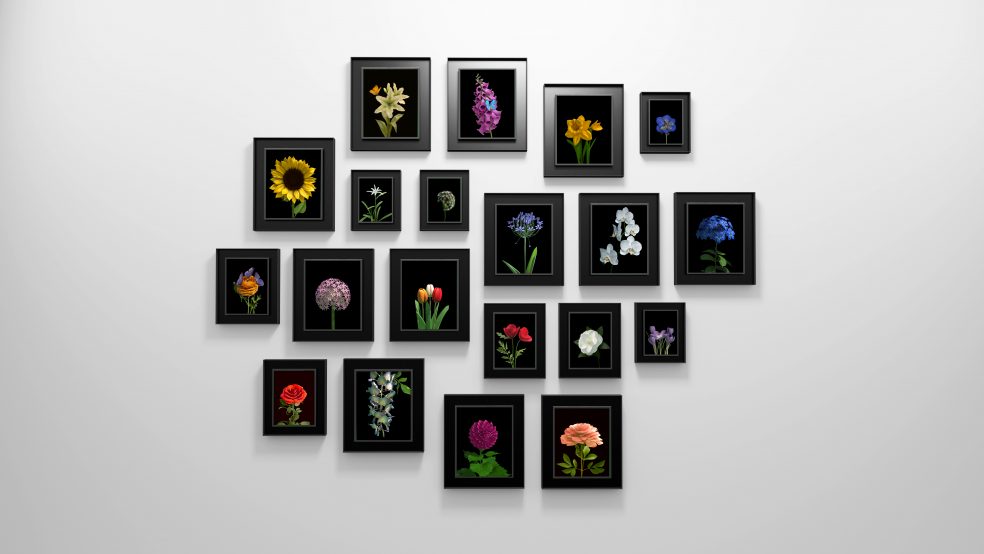
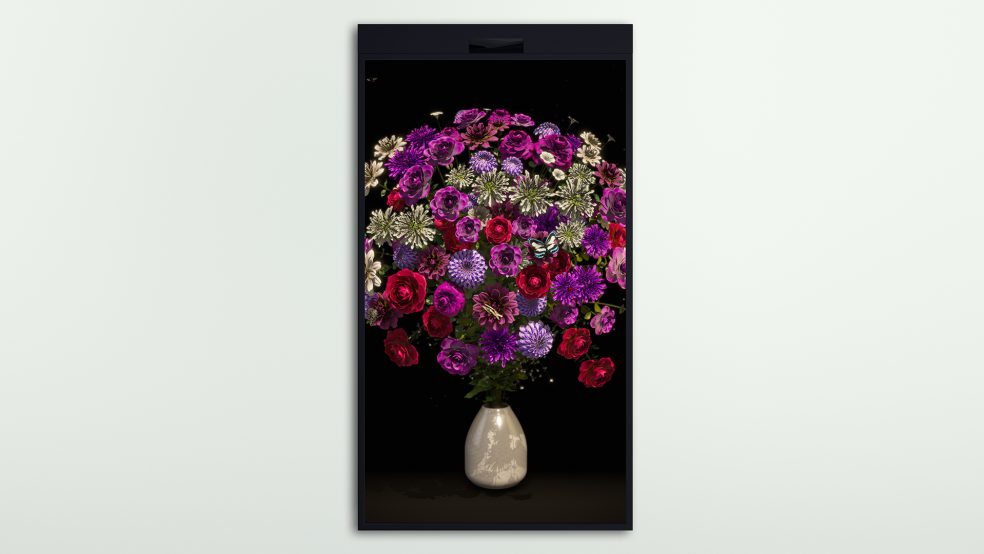
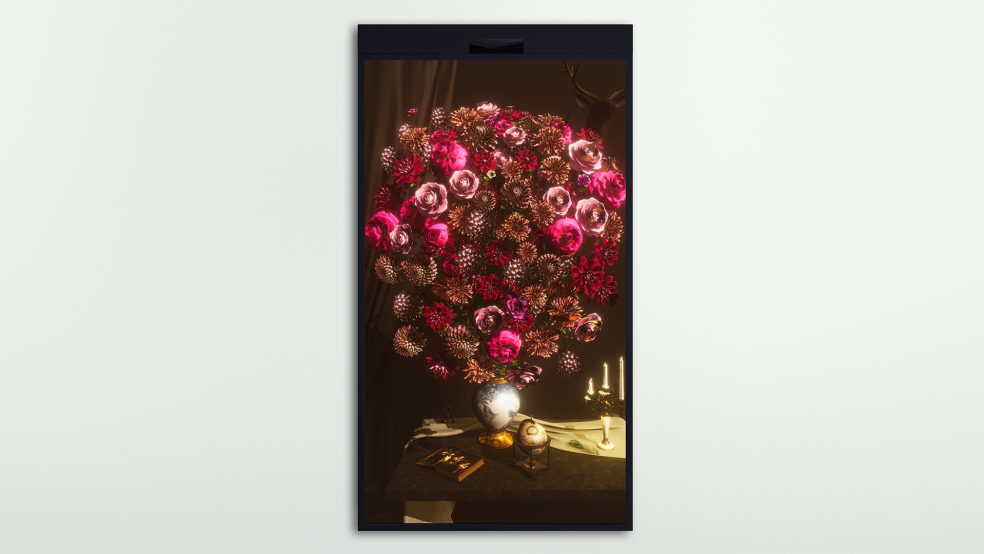
“A thread of existentialism exists in Dominic Harris’s work, a certain preoccupation with flowers, petals, butterflies, and a fascination with metamorphosis and transformative experiences. Harris’s works typically investigate a number of recurring elements and motifs, often working in tandem: interactivity/consequence, the aesthetic considerations of resolution and thirdly an investigation of animated life. However, rather than a series of static fixed points, there is a nuance, an interpolation effect where explorations of his pieces are experienced or spectated in as many different ways as there are individuals experiencing them.”

Sunny Cheung, curator for Liverpool Biennale
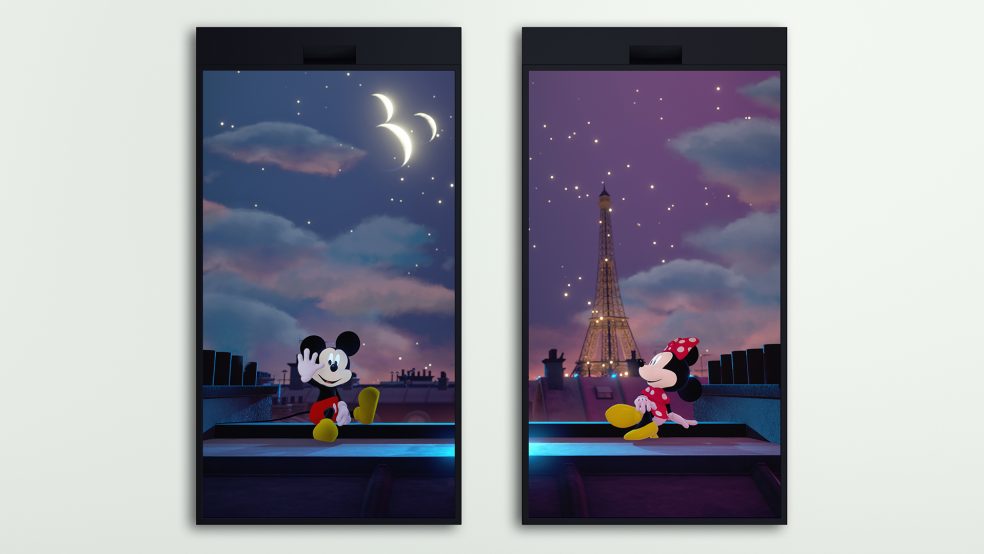
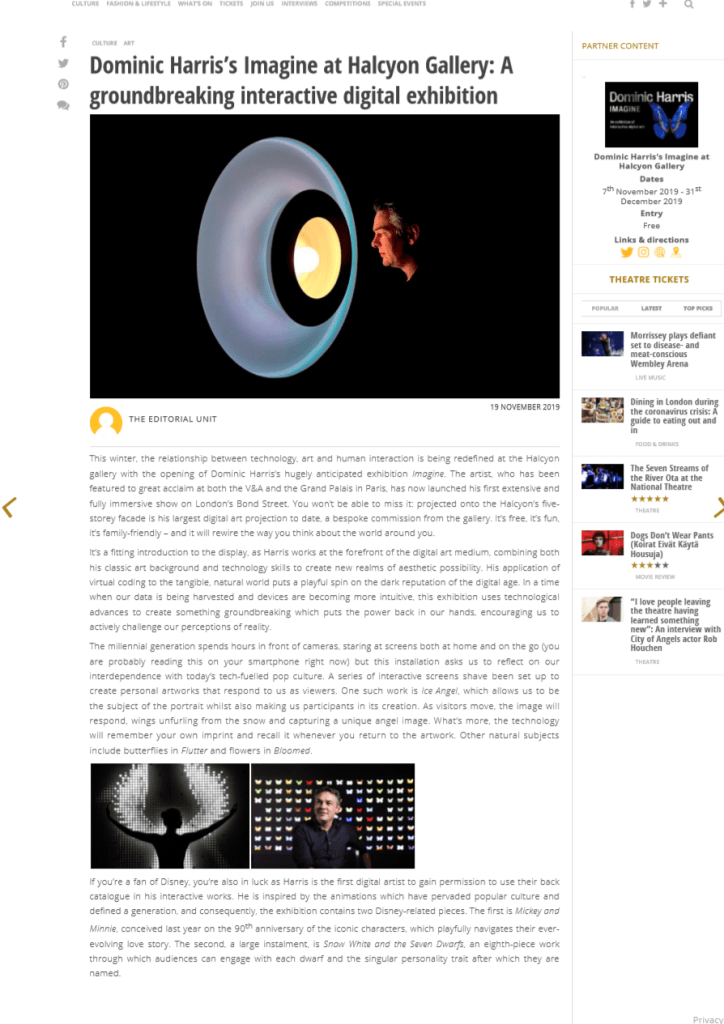
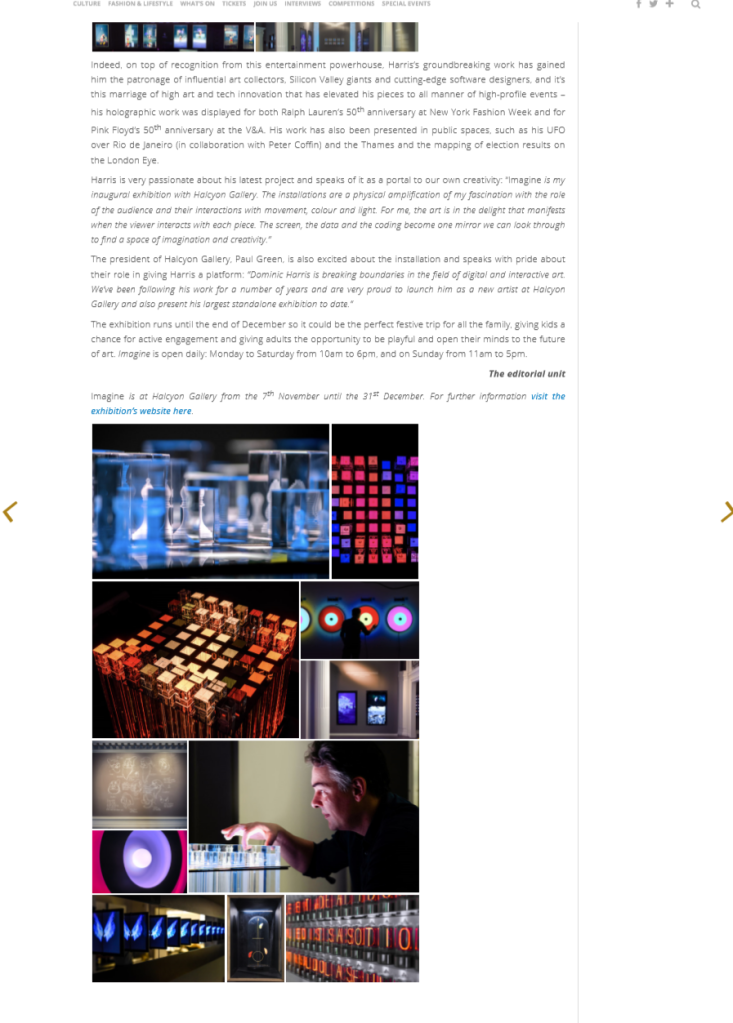
Dominic Harris uses groundbreaking technology to construct personal interpretations of the natural phenomena which surround us. His love of the natural world, coupled with his fascination for code, offers a surreal and whimsical take on reality, challenging the viewer’s perception of the world around them.

As technology, ever-changing and fascinating, occupies our lives in more intimate ways, Harris captures the sometimes menacing march of the information age, turning it to our advantage in a seamless blending of nature and code. He is part of an innovative community of artists who are pushing the envelope of possibility within the medium and redefining the relationship between technology and art.

Halcyon Gallery, Nov 7th 2019 – feb 16th 2020